ROCHESTER PALLET RACK
Pallet Racks in Batavia, NY
Pallet racks in Batavia, NY should separate bulk quantities from stock that needs immediate individual access. Food processing and distribution in Batavia give batch size and withdrawal order a role in rack selection. New components are specified against pallet consistency, batch size and withdrawal order. The useful capacity is the inventory your operators can actually store and retrieve in the intended sequence.
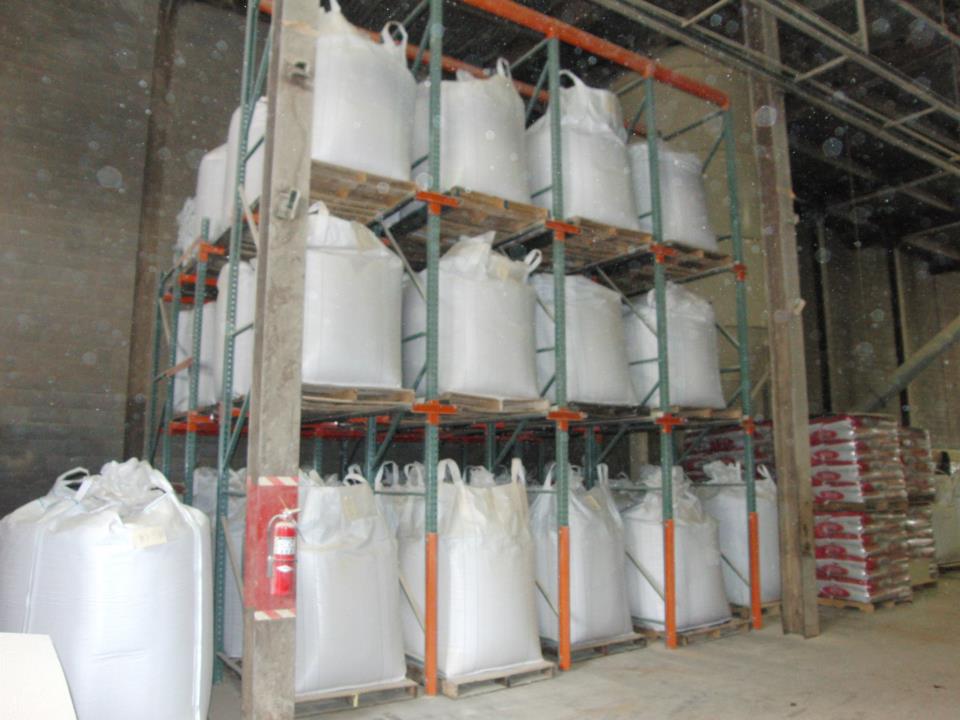
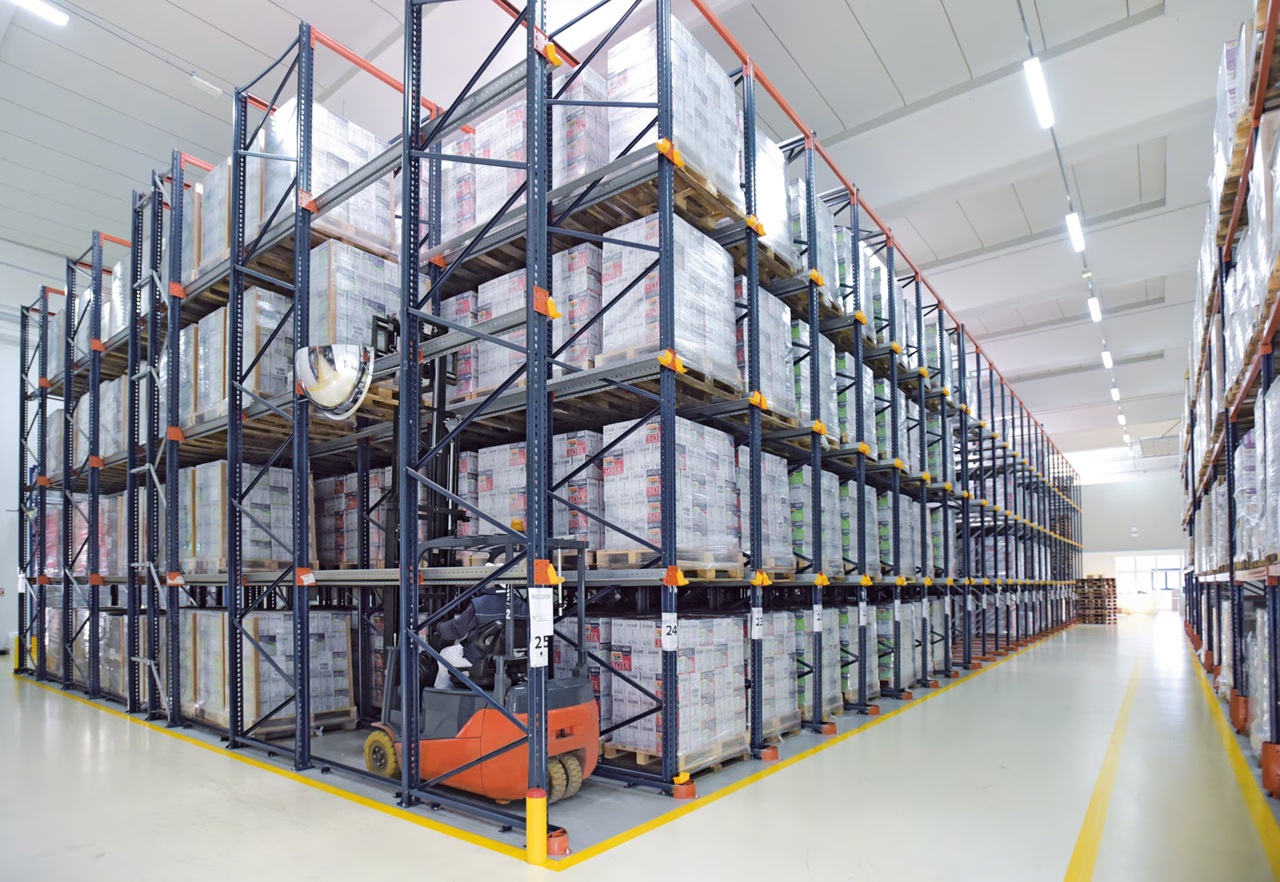
Drive-in pallet rack built around batch size
A drive-in block reduces the aisles within the storage block by allowing the truck to enter pallet-support lanes. It works best when repeated pallets can follow the required loading and retrieval order. Review how often a batch is only partly withdrawn before committing to lane depth.
Support rails must suit the pallets being used, and the truck must clear the full arrangement during placement. Include the mast and load profile in that check. Small residual batches need a designated alternative; leaving them scattered through deep lanes can consume much of the planned capacity.
Industrial pallet racks with stated load limits
Record the heaviest pallet and the intended number of pallets per beam level. Beam-pair capacity must cover the actual loading pattern. Increasing the distance between levels changes the frame configuration and calls for a rating review.
Aisle dimensions come from the loaded truck requirement and the proposed approach to each rack face. Trace the route around row ends and through intersections. Count receiving and dispatch spaces separately from rack positions, since a working turn cannot also serve as a permanent pallet location.
Selective pallet rack systems for mixed stock
Begin with selective bays when many items share the storage area and quantities vary. Each pallet can be reached without first removing another product. That access is valuable for short batches, mixed incoming freight and loads that cannot be assigned to a deep lane.
Group positions by load dimensions where practical. A bulky but light pallet may need different spacing from a compact heavy load. Use the largest expected envelope to check placement clearances, and identify any loads requiring additional support before selecting beams and frames.
Check the proposed allocation against a typical dispatch cycle. If withdrawals leave many small balances, the selective area may need more positions than the opening inventory suggests. Make room for those balances without mixing unrelated products in the bulk lanes.
Pallet flow for a different withdrawal sequence
Where the oldest received pallet must be withdrawn first, compare pallet flow with one-sided bulk storage. Separate entry and exit faces let replenishment and picking follow a defined direction. Lane assignment still needs to respect item identity and batch-control procedures.
Test the proposed specification against representative pallet bottoms and the intended weight range. An uneven or damaged pallet may not travel as intended. Make access for checking incoming pallets part of the handling arrangement, and leave both working faces available rather than counting them as overflow storage.
From storage proposal to staged assembly
Your free CAD layout starts with measured dimensions, truck information and a representative inventory list. We use it to identify row lengths, beam levels and the proposed position count. Review the drawing with the people who receive, replenish and dispatch stock before approving the material list.
On phased work, experienced installation crews we schedule and manage assemble the rack in the agreed order. The quote itemizes new material, freight and installation, and lead time is confirmed on the quote. Coordinate delivery access, cleared assembly zones and any warehouse relocation around that confirmed scope.
Rack Planning Questions for Batavia
Plan Your Batavia Storage Layout
Send pallet dimensions, load weights and building measurements for a free CAD layout and itemized quote.